

Contact Lenses

Contact lenses are thin lenses that sit directly on the surface of the eye, aiding in the correction of refractive errors. They come in various types, including soft and hard contact lenses, and can be categorized based on their wear duration, with options for daily wear and extended wear.

Worn on the eye's surface, contact lenses function by ensuring that light entering the eye focuses correctly on the retina, thereby correcting refractive errors such as myopia, hyperopia, astigmatism, and presbyopia. The benefits of contact lenses include improved vision, a wider field of sight, convenience, and enhanced safety during sports activities.

What are Contact Lenses?


Contact lenses are thin lenses placed directly on the eye's surface to correct refractive vision problems, similar to glasses. They address issues like nearsightedness, farsightedness, astigmatism, and presbyopia by ensuring light reaches the retina properly. Contacts are often preferred for aesthetic reasons or convenience, particularly among athletes and active individuals. Available types include soft, hard, daily-wear, and extended-wear lenses. In summary, contact lenses enhance vision by resting on the eyes.

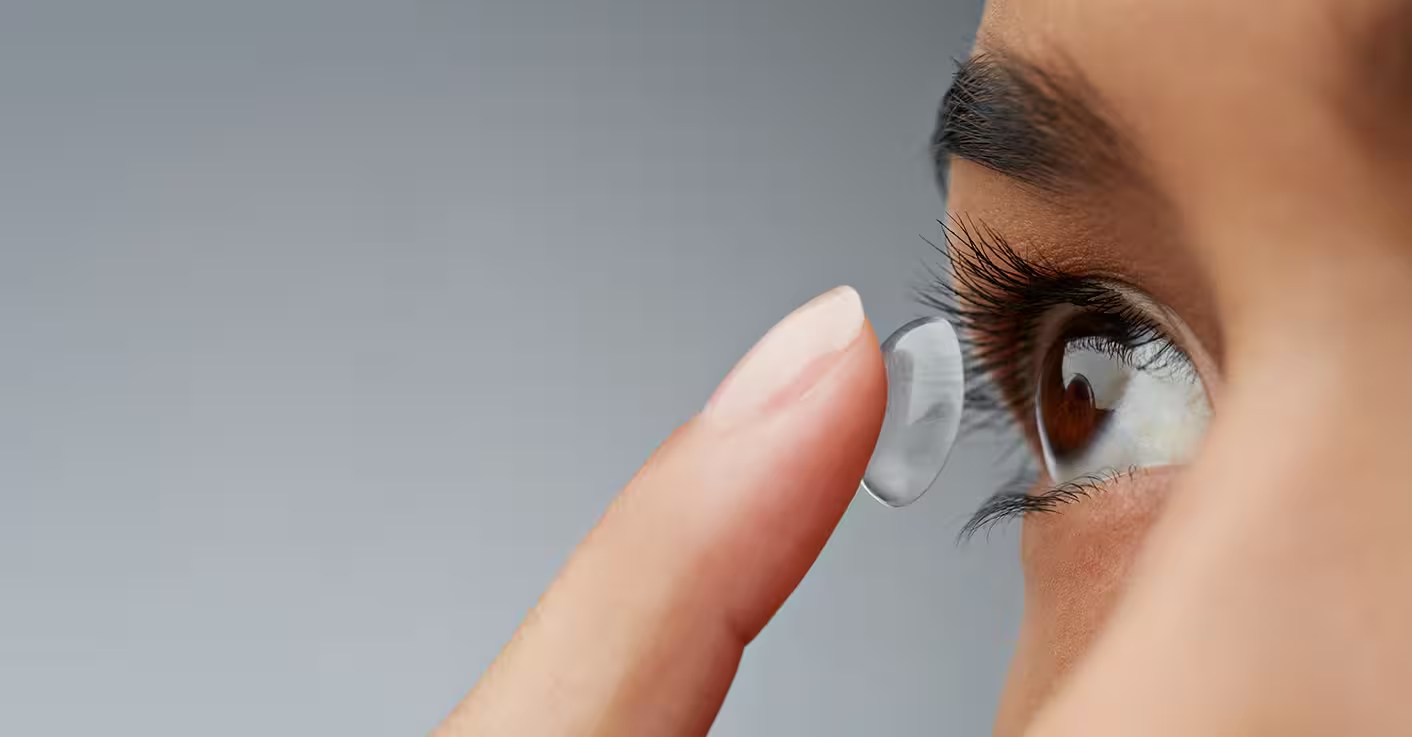
What Are the Different Types of Contact Lenses?


There are two main categories of contact lenses: soft contact lenses and hard contact lenses. Additionally, lenses can be categorised based on how long they can be worn, including extended wear and daily wear options.

Soft Contact Lenses: Soft contact lenses are made from flexible materials, such as silicone hydrogels or regular hydrogels. They are easier to insert and remove, providing a comfortable fit. However, according to the Cleveland Clinic, soft lenses may absorb pollutants more readily than hard lenses.

Hard Contact Lenses: Also known as gas-permeable (GP) or rigid gas-permeable (RGP) lenses, hard contact lenses are composed of oxygen-permeable silicone polymers, as noted by the Cleveland Clinic. These lenses are stiffer and more durable compared to soft contact lenses.

Extended Wear Contact Lenses: Designed for prolonged use, extended wear contact lenses can be worn during the day and reused for an extended period. It is crucial to adhere to the guidelines provided by your healthcare provider regarding how long these lenses can be worn.

Daily Wear Contact Lenses:
Daily wear contact lenses are intended for use during the day only. They can be single-use, meant to be worn once and then discarded, or designed to be stored and reused, depending on the recommendations from your eye care provider.


At Perfect Eyes Optometrist, we are here to answer your questions and assist you with your eye care needs. Whether you want to book an appointment or need assistance, feel free to reach out to us. Your vision is our priority!


What is the Importance of Contact Lenses?


Contact lenses play a crucial role in vision correction by addressing refractive errors, enabling individuals to see more clearly, and thereby enhancing their quality of life. They offer convenience over traditional glasses and can be considered more aesthetically pleasing by some. As lenses that rest directly on the eye's surface, contact lenses effectively correct issues like myopia (nearsightedness), which can lead to blurry vision. By improving vision, contact lenses facilitate daily activities and enhance overall ease of living. Additionally, they provide practical benefits, particularly for individuals with active lifestyles or those who participate in sports, as they eliminate the inconvenience of glasses resting on the face.